Gallstones: Treatments, symptoms, and causes

What are gallstones?
Your gallbladder is a little organ situated in your upper right midsection, right beneath your liver. A pocket stores bile, a green-yellow fluid that assists with processing. Issues with your gallbladder normally happen when something is hindering its bile conduit — like a gallstone.
Most gallstones are made when substances that are tracked down in bile, similar to cholesterol, solidify.
Gallstones are exceptionally normal and regularly asymptomatic. Notwithstanding, around 10% of individuals who are determined to have gallstones will foster observable side effects in 5 years or less.
Signs and side effects of gallstones
Gallstones can prompt agony in the upper right midsection or the focal point of your stomach. You might encounter gallbladder torment every once in a while after you eat food varieties that are high in fat, like seared food sources, however the torment can happen at practically any time.
Torment brought about by gallstone issues as a rule goes on for a couple of hours, yet it can feel serious.
Assuming that gallstones are left untreated or unidentified, the side effects might increment to include:
A high temperature
Quick heartbeat
Yellowing of the skin and whites of the eyes (jaundice)
Bothersome skin
Loose bowels
Chills
Disarray
A deficiency of hunger
These side effects can be indications of a gallbladder contamination, or irritation of the gallbladder, liver, or pancreas.
Since gallstone side effects might impersonate the side effects of other difficult issues like a ruptured appendix and pancreatitis, regardless, on the off chance that you're managing at least one of these issues — now is the ideal time to see a specialist or get yourself to the trauma centre.
Asymptomatic gallstones
Gallstones themselves don't cause torment. Rather, torment happens when gallstones block the development of bile from the gallbladder.
As indicated by the American School of Gastroenterology, around 80% of individuals who have gallstones have "quiet gallstones." This implies they don't encounter torment or have side effects. In these cases, your primary care physician might find the gallstones from X-beams or during stomach a medical procedure.
Your gallbladder stores and deliveries bile, a liquid made in your liver, to help in processing. Bile additionally conveys squanders like cholesterol and bilirubin, which your body makes when it separates red platelets. These things can frame gallstones.
Gallstones can go from the size of a grain of sand to that of a golf ball. You probably won't realize that you have them until they block a bile channel, causing torment that needs treatment immediately.
Gallstone Types
The two primary sorts of gallstones are:
Cholesterol stones. These are normally yellow-green. They're the most well-known, making up 80% of gallstones.
Shade stones. These are more modest and hazier. They're made of bilirubin.
Reasons for Gallstones
Specialists doesn't know precisely exact thing aims gallstones, however they could happen when:
There's an excess of cholesterol in your bile. Your body needs bile for absorption. It as a rule disintegrates cholesterol. In any case, when it can't do that, the additional cholesterol could shape stones.
There's an excessive amount of bilirubin in your bile. Conditions like cirrhosis, diseases, and blood issues can make your liver make a lot of bilirubin.
Your gallbladder doesn't void as far as possible. This can make your bile exceptionally focused.
Gallstone Hazard Elements
You're bound to get gallstones if you:
Have a family background of them
Are a lady
Are over age 40
Are of Local American or Mexican plunge
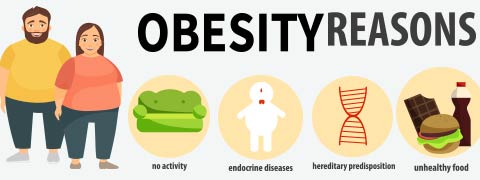
Are fat
Have an eating routine high in fat and cholesterol however low in fiber
Try not to get a lot of activity
Use anti-conception medication pills or chemical substitution treatment
Are pregnant
Have diabetes
Have a digestive sickness like Crohn's
Have hemolytic sickliness or cirrhosis of the liver
Take medication to bring down your cholesterol
Lose a ton of weight in a brief time frame
Are fasting
Gallstone Analysis
Your primary care physician will do an actual test and could arrange tests including:
Blood tests. These check for indications of contamination or blockage, and preclude different circumstances.
Ultrasound. This makes pictures of within your body.
CT filter. Specific X-beams let your PCP see inside your body, including your gallbladder.
Attractive reverberation cholangiopancreatography(MRCP). This test utilizes an attractive field and beats of radio wave energy to make photos of within your body, including your liver and gallbladder.
Cholescintigraphy (HIDA examine). This test can check whether your gallbladder presses accurately. Your primary care physician infuses an innocuous radioactive material that advances toward the organ. An expert can then watch its development.
Endoscopic retrograde cholangiopancreatography (ERCP). Your PCP runs a cylinder called an endoscope through your mouth down to your small digestive tract. They infuse a color so they can see your bile channels on a camera in the endoscope. They can frequently take out any gallstones that have moved into the channels.
Endoscopic ultrasound. This test joins ultrasound and endoscopy to search for gallstones.
Gallstone Treatment
You don't require treatment on the off chance that you have no side effects. A few little gallstones can go through your body all alone.
The vast majority with gallstones have their gallbladders taken out. You can in any case process food without it. Your PCP will utilise one of two methods.
Laparoscopic cholecystectomy. This is the most well-known medical procedure for gallstones. Your PCP passes a thin cylinder called a laparoscope into your paunch through a little cut. It holds instruments, a light, and a camera. They take out your gallbladder through another little cut. You'll normally return home that very day.
Open cholecystectomy. Your PCP makes greater slices in your stomach to eliminate your gallbladder. You'll remain in the medical clinic for a couple of days subsequently.
Assuming gallstones are in your bile channels, your primary care physician might utilize ERCP to find and eliminate them previously or during medical procedure.
On the off chance that you have another ailment and your PCP figures you shouldn't have a medical procedure, they could give you medicine all things being equal. Chenodiol (Chenodo l) and ursodiol (Actigall, Urso 250, Urso Strength) break up cholesterol stones. They can cause gentle looseness of the bowels.
You might need to take the medication for a really long time to thoroughly break up the stones, and they might return after you quit taking it.
Inconveniences of Gallstones
Gallstones can create difficult issues, including:
Gallbladder irritation (intense cholecystitis): This happens when a stone blocks your gallbladder so it can't void. It causes consistent torment and fever. Your gallbladder could explode, or break, in the event that you don't seek treatment immediately.
Obstructed bile channels. This can cause fever, chills, and yellowing of your skin and eyes (jaundice). On the off chance that a stone blocks the conduit to your pancreas, that organ might become kindled (pancreatitis).
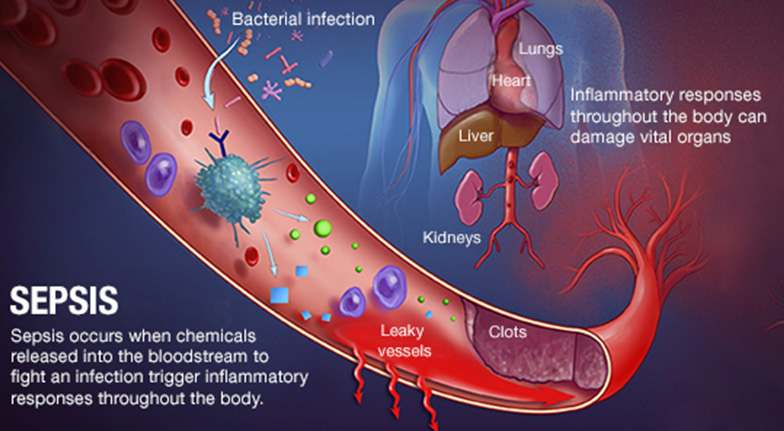
Tainted bile pipes (intense cholangitis). A hindered pipe is bound to get tainted. On the off chance that the microorganisms spread to your circulation system, they can cause a perilous condition called sepsis.
Gallbladder disease. It's uncommon, yet gallstones raise your gamble of this sort of malignant growth.

Comments
Post a Comment